

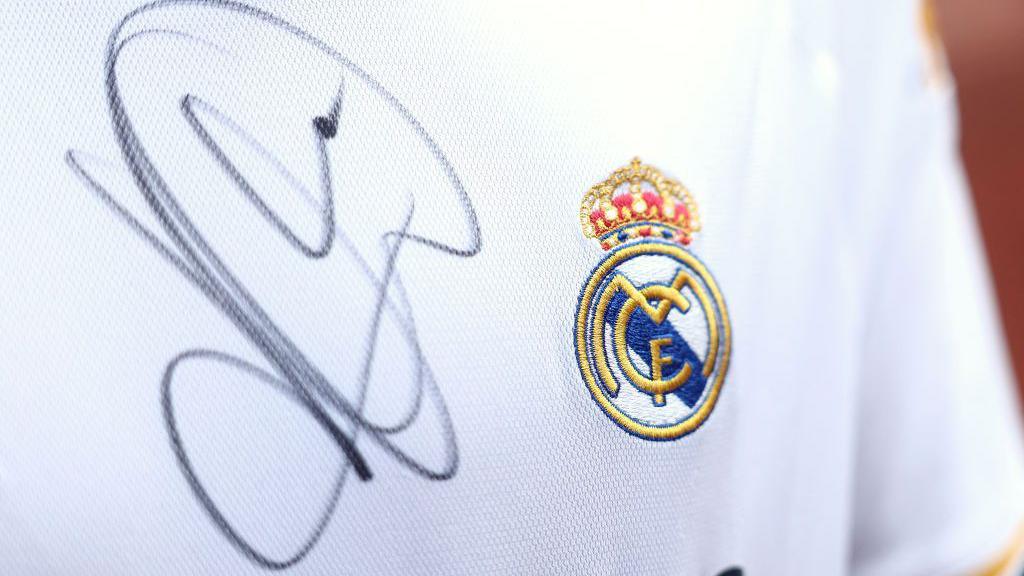
At the team's practice facility. At the traffic lights. While filling up at a gas station. Within a hotel's entrance. Outside their family home.
The spots where footballers and coaches are approached for autographs range from the ordinary and acceptable to the intrusive and unacceptable.
Essentially, there exists two distinct types of signature hunters. There are the genuine fans seeking a keepsake to cherish forever, and on the other, commercial dealers amassing a collection of items to be listed for sale on the internet.
The individuals making a living from sourcing signatures are often seasoned operators who confront players with prepared stacks of shirts and photographs, with the goal of secure as many signatures as possible in a short window.
But how do the footballers who are targeted feel, and is a portion of these interactions crossing a line?
In What Ways Do Autograph Hunters Interact With Stars?
When a top manager was filmed declining to sign a shirt after a individual accosted his car not long ago, he defended himself against a counter-reaction by stating he felt "vulnerable" and asserted some "fans do not act for the right reasons".
In another instance, a high-profile boss angrily chastised a cluster of seekers who approached him in a parking lot close to his residence, criticizing their profession and stating, "Don't come again - I won't tell you again. What do you aspire to?"
The athletic collectibles industry is estimated to be valued in the billions of dollars globally annually, highlighting the significant income commercial seekers can generate by consistently pursuing celebrities.
Clubs sometimes have to step in and protect athletes, including prohibiting commercial dealers from conducting business outside training grounds, providing protection personnel at local petrol stations where seekers are aware players stop, and in some cases helping escort them home.
One well-known player was recorded instructing individuals to stop following him home after they had engaged in this on consecutive days.
And earlier this month, a backline player was caught on video comically scribbling half-hearted signatures on a set of jerseys given to him by a seeker who came up to him at his vehicle's window.
"Athletes become extremely annoyed with it," states a former Premier League winner.
"I've experienced it on many occasions. They stand outside the TV studio and ask me autograph a dozen identical shirts all at once. I questioned it the other day and said 'you intend to flog these online, aren't you'?"
"It is incredibly irritating that the intention is to make money out of athletes. The decision lies with the individual to make a split-second decision on the spot."
"Should we decline, then the spurned party will often verbally abuse the person who turned them down and publicly shame them on social media."
"This behavior is unacceptable as authentic fans must get frustrated with these frauds who are doing it for the wrong reasons."
"These people ruin the experience for kids and true supporters."

What Do Players Think About Professional Sellers?
The majority of sportspeople are pleased to make a fan's day by spending a quick moment with them and signing an autograph.
But when frequent seekers show up, confrontations can happen, particularly if their behaviour is perceived as aggressive.
"You get the people who are desperate for your autograph but also want to spend a bit of time with you and get that connection," notes a ex-national team player. "That's all fine, but then you also get the individuals that you see all the time."
"A portion of them are very clever with the way they operate - they have their children approach, or they arrive with friends."
"There have been times when confrontations have taken place. I remember one where a guy attempted to argue with me - he would hand you twenty of the same card, and you would either not sign them all or your autograph would become less enthusiastic as it continued because you were aware he was going to sell them on."
In certain cases players can understand the reasoning while not accepting rudeness.
"He would openly tell you he was going to flog them, but in his eyes that would cover the cost of his tickets," the athlete continues. "Most fans are really respectful and thankful. They are rarely rude until they don't get what they want."
Are Some Genuine Fans Acting More Entitled?
Throughout the growth of women's football, fans have traditionally had more direct interaction to stars than in the premier league. For the most part, those encounters are friendly, secure, and polite.
But some players believe interactions have become progressively less polite and disrespectful in the past few years.
One England international revealed she was approached for autographs by some of the identical supporters who had earlier jeered her during a game.
"It certainly appears to have been a shift in the past few years - there feels to me more of a sense of entitlement with certain supporters now," says a ex-professional athlete.
"Supporters having greater proximity to players has been a key aspect of the uniqueness of the sport, and when I was competing we always wanted to make time for them," she explains.
"More recently, some people think because they've paid for a ticket they are entitled to the time of the players before or after the game."
"No player wants to snub the fans, but there are times and places, and possible safety concerns need to be considered."
"There has to be reciprocal courtesy and it should be managed in a controlled, safe environment."
"You have to still have those moments so that young fans don't lose heart and think 'the players I admire are indifferent to me'."
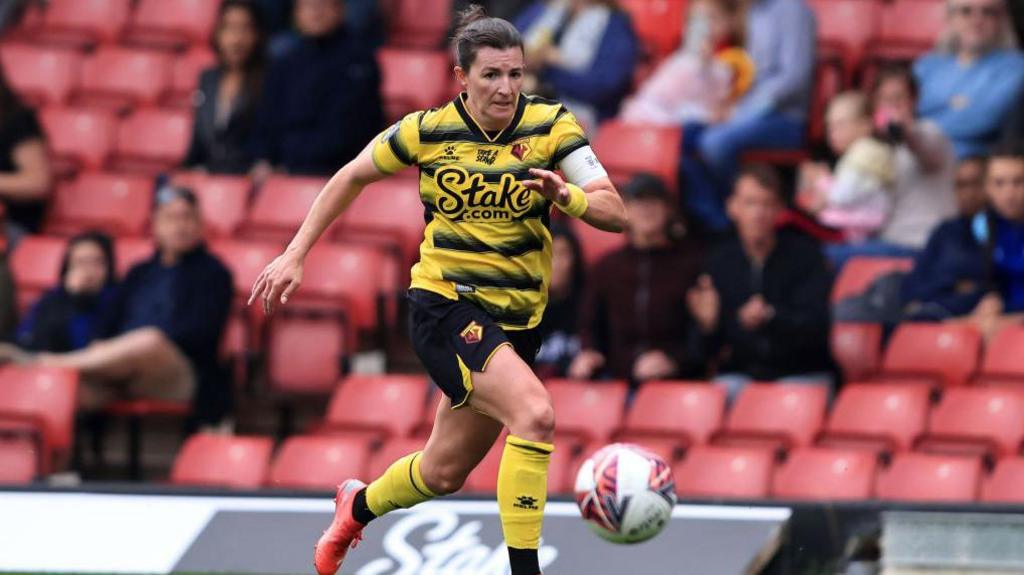
Supporters Face the Danger of Buying Fakes On the Internet
Products signed by big stars and then listed online by dealers can fetch tens of thousands of pounds.
But not all items of autographed collectibles purchased will prove to be legitimate.
In some cases, web shops are established by scammers who create fakes by buying merchandise before applying a forged autograph - either by completing the task personally or employing the services of expert handwriting copiers.
One reason dishonest sellers can succeed in their schemes is because signature authentication is an unregulated process in many countries. Most items come with a proof of genuineness, but that document is only as legitimate as the organization which issues it, and those entities can be completely unvetted.
Several years ago, a individual was jailed after making more than £1m from peddling fake


